Introduction
Key Takeaways
- Blood tests provide a critical window into your overall health.
- Annual testing can detect hidden conditions like diabetes and kidney disease early.
- Always discuss your blood test results with a qualified healthcare professional.
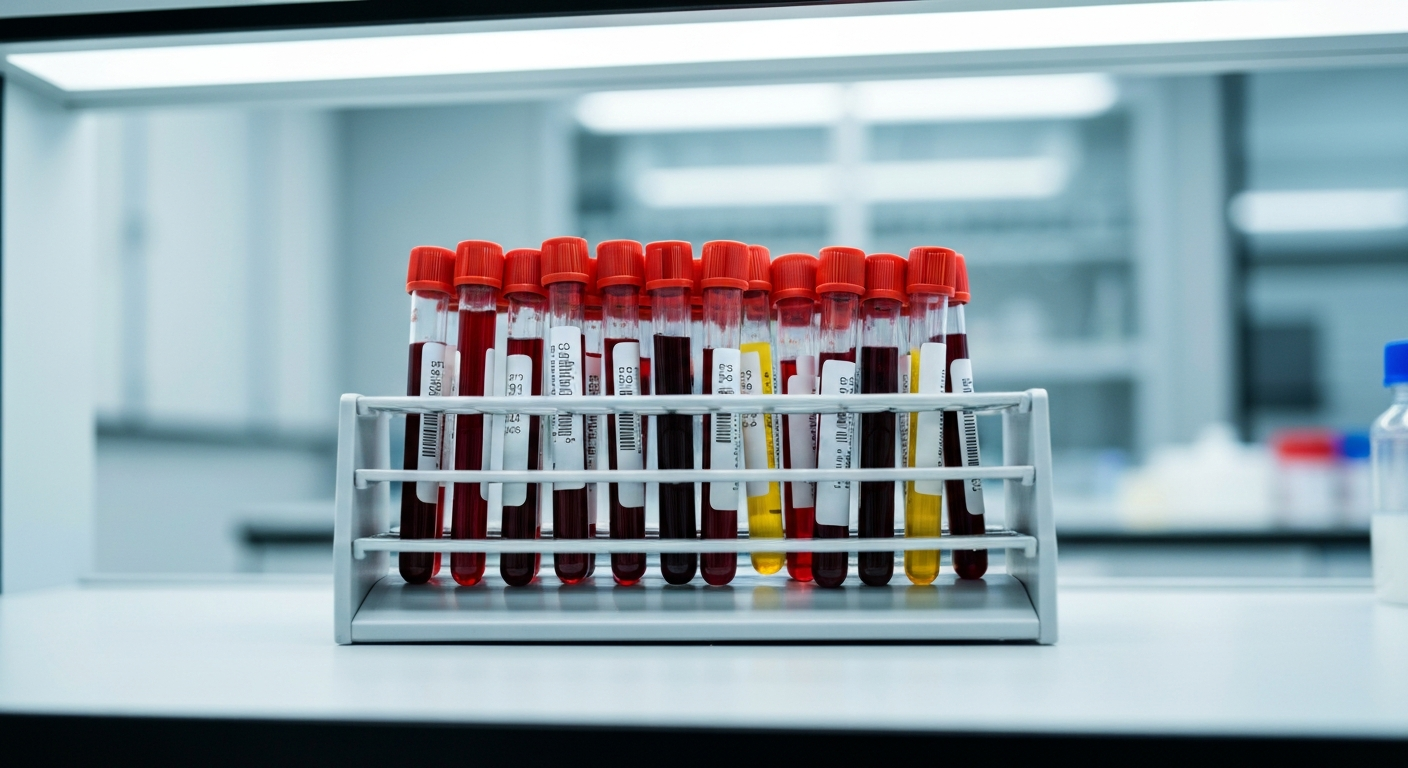
Your blood holds vital clues about your health. Even if you feel perfectly well, a routine blood test can reveal hidden imbalances, nutritional deficiencies, and early signs of chronic diseases before they cause noticeable symptoms. At De Rock Hospital & Diagnostic Center, our advanced laboratory services are designed to give you a clear, comprehensive picture of your health.
Here are 10 essential blood tests every adult should consider discussing with their doctor during their annual health screening.
1. Complete Blood Count (CBC)
The CBC is one of the most common and fundamental blood tests. It evaluates the cells that circulate in your blood, including red blood cells, white blood cells, and platelets. A CBC can help detect a variety of conditions, including anaemia, infections, and clotting disorders.
2. Basic Metabolic Panel (BMP)
This panel measures eight different substances in your blood, providing crucial information about your body's chemical balance and metabolism. It checks your blood sugar (glucose), calcium, and electrolytes (like sodium and potassium), as well as blood urea nitrogen (BUN) and creatinine, which are key indicators of kidney function.
3. Comprehensive Metabolic Panel (CMP)
The CMP includes all the tests in a BMP, plus six additional tests that evaluate liver function. This comprehensive test provides a broader overview of your organ health, highlighting potential liver or kidney issues early on.
4. Lipid Panel (Cholesterol Test)
A lipid panel measures the amount of cholesterol and triglycerides in your blood. It typically breaks down your total cholesterol into High-Density Lipoprotein (HDL - the "good" cholesterol) and Low-Density Lipoprotein (LDL - the "bad" cholesterol). High levels of LDL and triglycerides are significant risk factors for heart disease and stroke.
5. Thyroid Panel
Your thyroid gland controls your body's metabolism. A thyroid panel checks how well your thyroid is producing and reacting to certain hormones, such as Thyroid-Stimulating Hormone (TSH). This test can help diagnose hypothyroidism (underactive thyroid) or hyperthyroidism (overactive thyroid), which can cause fatigue, weight changes, and mood disturbances.
6. Hemoglobin A1c (HbA1c)
While a standard fasting blood glucose test measures your blood sugar at a single point in time, the HbA1c test measures your average blood sugar levels over the past two to three months. It is an essential test for diagnosing and monitoring prediabetes and diabetes.
7. Vitamin D Test
Vitamin D is crucial for bone health, immune function, and mood regulation. Many adults are deficient in Vitamin D, especially those who spend a lot of time indoors. Knowing your levels can help your doctor recommend appropriate dietary changes or supplements.
8. Iron Panel
An iron panel checks how much iron is in your blood and how well your body is storing and transporting it. This is particularly important for diagnosing different types of anaemia and ensuring your body has enough iron to produce healthy red blood cells.
9. C-Reactive Protein (CRP)
CRP is a protein produced by the liver in response to inflammation in the body. High levels of CRP can indicate an acute infection or a chronic inflammatory disease. A specific type of this test, high-sensitivity CRP (hs-CRP), is also used to evaluate the risk of developing coronary artery disease.
10. Vitamin B12 and Folate
Vitamin B12 and folate are essential for nerve function, brain health, and the production of red blood cells. Deficiencies in these vitamins can lead to a specific type of anaemia and neurological issues. This test is especially important for older adults and those following strict vegetarian or vegan diets.
Conclusion
Knowledge is power when it comes to your health. By incorporating these essential blood tests into your annual health screening, you and your doctor can proactively manage your well-being. At De Rock Hospital & Diagnostic Center, our state-of-the-art laboratory ensures accurate, timely results to help you stay ahead of potential health issues.
Medical Disclaimer
This article is for informational purposes only and is not a substitute for professional medical advice, diagnosis, or treatment. Always seek the advice of your physician or other qualified health provider with any questions you may have regarding a medical condition.