
Introduction
Key Takeaways
- Chest pain has many causes, ranging from minor issues to life-threatening emergencies.
- Never try to self-diagnose chest pain.
- Prompt medical evaluation, including an ECG, is crucial for an accurate diagnosis.
Experiencing chest pain can be a terrifying event. For many, the immediate thought is a heart attack. While this is a critical and valid concern, the reality is that chest pain can originate from various systems in the body, including the digestive tract, lungs, muscles, and even psychological factors like anxiety.
However, because the stakes are so high, chest pain should never be ignored or dismissed as "just indigestion." At De Rock Hospital & Diagnostic Center, our advanced Cardiac Markers and ECG diagnostic tools allow us to quickly determine the cause of your discomfort, ensuring you receive the right care without delay.
What Is Chest Pain?
Chest pain is any discomfort felt anywhere between your neck and your upper abdomen. It can present in many ways: a sharp, stabbing ache, a dull throb, a burning sensation, or a feeling of crushing pressure or tightness.
Why It Matters
The chest houses some of the body's most vital organs—primarily the heart and lungs. Pain in this area is a critical warning signal from your body. Even if the cause turns out to be non-cardiac, a timely medical evaluation provides peace of mind and allows for the appropriate treatment of whatever condition is present.
Common Causes of Chest Pain
Chest pain can be broadly categorized into cardiac (heart-related) and non-cardiac causes.
Cardiac Causes
- Heart Attack (Myocardial Infarction): A blockage of blood flow to the heart muscle.
- Angina: Chest pain caused by reduced blood flow to the heart, often triggered by exertion.
- Pericarditis: Inflammation of the sac surrounding the heart.
Non-Cardiac Causes
- Gastrointestinal Issues: Heartburn, acid reflux (GERD), or gallstones.
- Lung Conditions: Pneumonia, a blood clot in the lung (pulmonary embolism), or a collapsed lung.
- Musculoskeletal Problems: Muscle strain or inflammation of the cartilage connecting the ribs to the breastbone (costochondritis).
- Panic Attacks: Severe anxiety can cause chest tightness, rapid heartbeat, and shortness of breath that closely mimics a heart attack.
When to Seek Emergency Medical Care
You should treat chest pain as a medical emergency if it is accompanied by any of the following "red flag" symptoms:
- A feeling of crushing pressure, fullness, or tightness in the center of the chest.
- Pain that radiates to your jaw, neck, back, or one or both arms (especially the left arm).
- Shortness of breath, even when resting.
- Cold sweats, dizziness, lightheadedness, or fainting.
- Nausea or vomiting.
Do not attempt to drive yourself to the hospital. Call for emergency assistance immediately.
The Diagnostic Process
When you present with chest pain at De Rock Hospital, our priority is to rapidly rule out life-threatening conditions. The process typically involves:
- Electrocardiogram (ECG): A quick, painless test that records the electrical activity of your heart to detect abnormal rhythms or heart muscle damage.
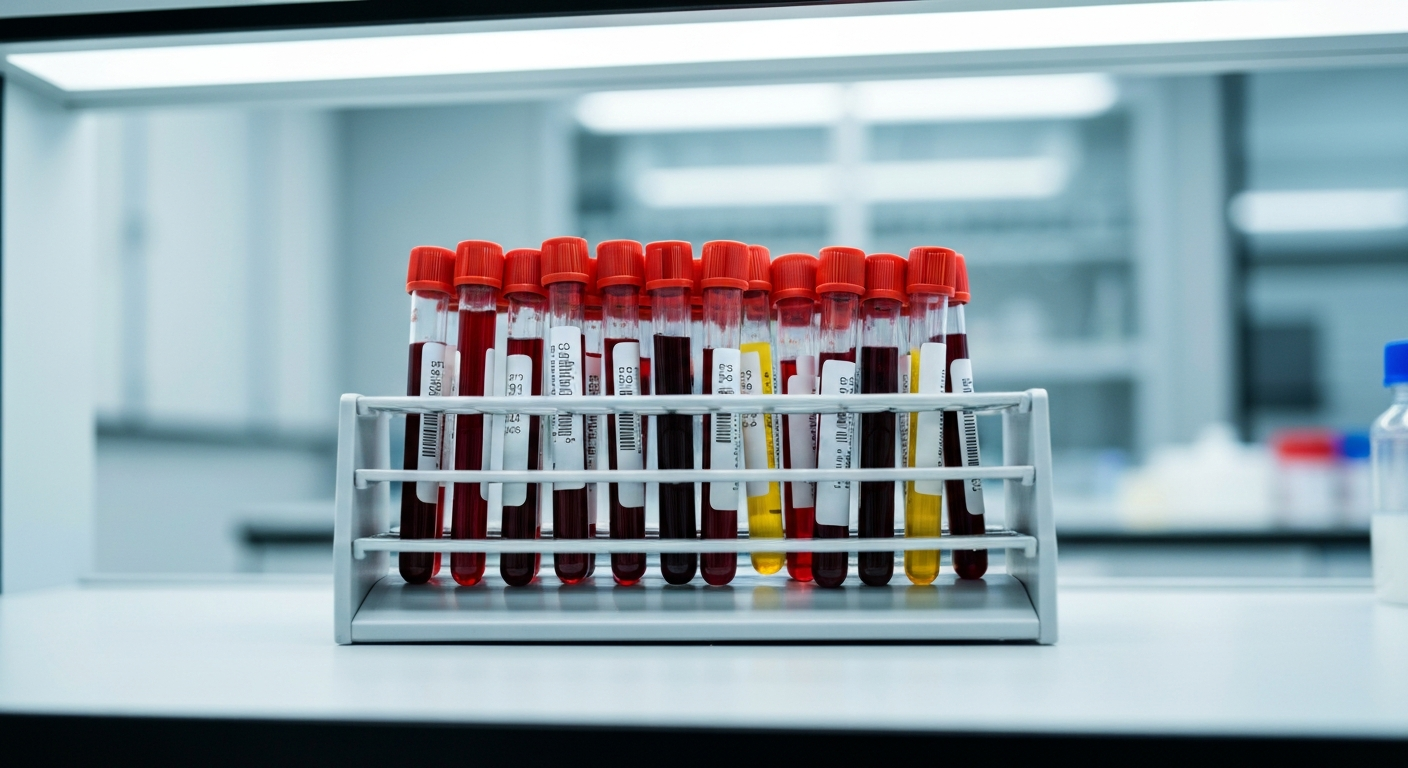
- Cardiac Markers (Blood Tests): We test for specific proteins, such as troponin, which leak into the blood when heart muscle is damaged.
- Chest X-ray: To evaluate the condition of your lungs and the size and shape of your heart.
- Medical History and Physical Exam: A thorough review of your symptoms, risk factors, and overall health.
Prevention and Living Well
While not all causes of chest pain are preventable, you can significantly reduce your risk of heart-related issues by:
- Maintaining a healthy diet low in saturated fats and high in fiber.
- Engaging in regular cardiovascular exercise.
- Managing stress effectively.
- Avoiding smoking and limiting alcohol consumption.
- Attending regular health screenings to monitor blood pressure, cholesterol, and blood sugar.
Conclusion
Chest pain is a complex symptom that requires professional evaluation. Whether it stems from heartburn or a heart condition, prompt medical attention is the safest course of action. At De Rock Hospital & Diagnostic Center, our expert team is equipped with the latest diagnostic technology to provide rapid, accurate answers and compassionate care.
Medical Disclaimer
This article is for informational purposes only and is not a substitute for professional medical advice, diagnosis, or treatment. Always seek the advice of your physician or other qualified health provider with any questions you may have regarding a medical condition.