
Introduction
Key Takeaways
- Infertility is a common medical condition affecting both men and women.
- Age is a critical factor; women over 35 should seek help after 6 months of trying.
- Modern fertility treatments, including IVF, offer high success rates for many couples.
The journey to parenthood is deeply personal and, for many, filled with anticipation and joy. However, when months of trying to conceive turn into years without success, that joy can be overshadowed by anxiety, frustration, and feelings of isolation. It is important to know that you are not alone. Infertility is a recognized medical condition that affects millions of couples worldwide.
At De Rock Hospital & Diagnostic Center, our dedicated IVF & Fertility department understands the emotional and physical complexities of fertility struggles. In this guide, we explain when it is time to seek professional help and what options are available to support your dream of starting a family.
Understanding Infertility
Infertility is generally defined as the inability to conceive after 12 months of regular, unprotected sexual intercourse. It is crucial to understand that infertility is a shared issue; it can result from factors affecting the female, the male, or a combination of both. In some cases, the cause remains unexplained despite thorough testing.
When to Consult a Fertility Specialist
Timing is critical when it comes to fertility. The general guidelines for seeking professional evaluation depend heavily on the woman's age and medical history:
1. The 12-Month Rule (Under Age 35)
If the female partner is under 35 years old and you have been having regular, unprotected intercourse for a full year without conceiving, it is time to schedule a consultation with a fertility specialist.
2. The 6-Month Rule (Age 35 to 39)
A woman's fertility naturally declines with age, particularly after 35. Because time is more sensitive, couples in this age group should seek an evaluation after just 6 months of trying to conceive.
3. Immediate Evaluation (Age 40 and Over)
If the female partner is 40 or older, it is highly recommended to consult a fertility specialist immediately upon deciding to try for a baby. Early intervention maximizes the chances of success.
Reasons to Seek Help Sooner
Regardless of age, you should seek a fertility evaluation immediately if either partner has a known medical condition that affects fertility. These include:
For Women:
- Irregular or Absent Periods: This is a strong indicator of ovulation issues, such as Polycystic Ovary Syndrome (PCOS).
- Painful Periods: Severe menstrual pain can be a symptom of endometriosis, which can impact fertility.
- History of Pelvic Inflammatory Disease (PID): Previous pelvic infections can cause scarring and block the fallopian tubes.
- Multiple Miscarriages: Experiencing two or more consecutive miscarriages warrants a specialized medical investigation.
For Men:
- History of Testicular Issues: Previous trauma, surgery, or infections (like mumps) affecting the testicles.
- Erectile or Ejaculatory Dysfunction: Difficulty achieving or maintaining an erection, or issues with ejaculation.
- Known Low Sperm Count: If previous testing has indicated poor sperm quality or quantity.
The Diagnostic Process: What to Expect
Your first visit to a fertility specialist is primarily about gathering information. The diagnostic process at De Rock Hospital is comprehensive and compassionate, involving both partners.
- For Men: The primary test is a semen analysis to evaluate sperm count, motility (movement), and morphology (shape).
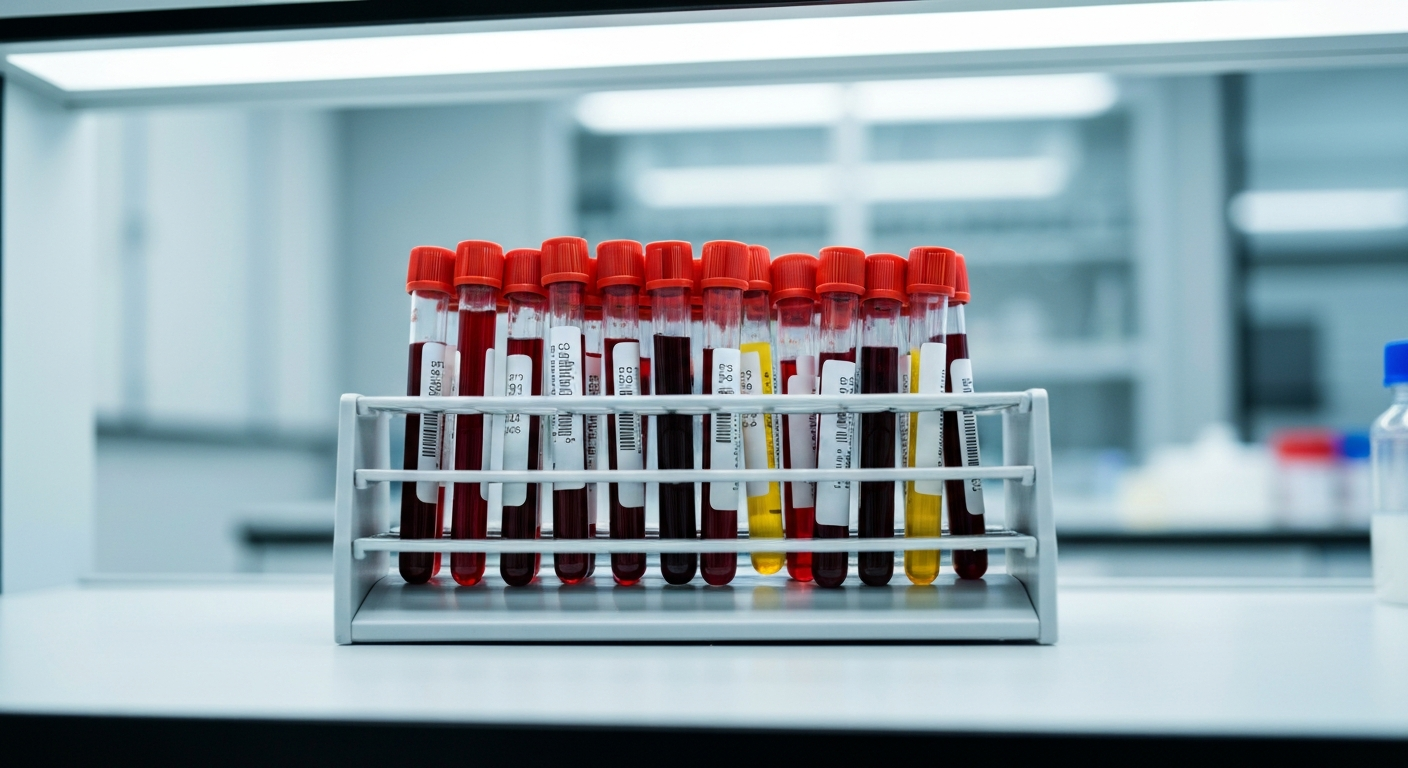
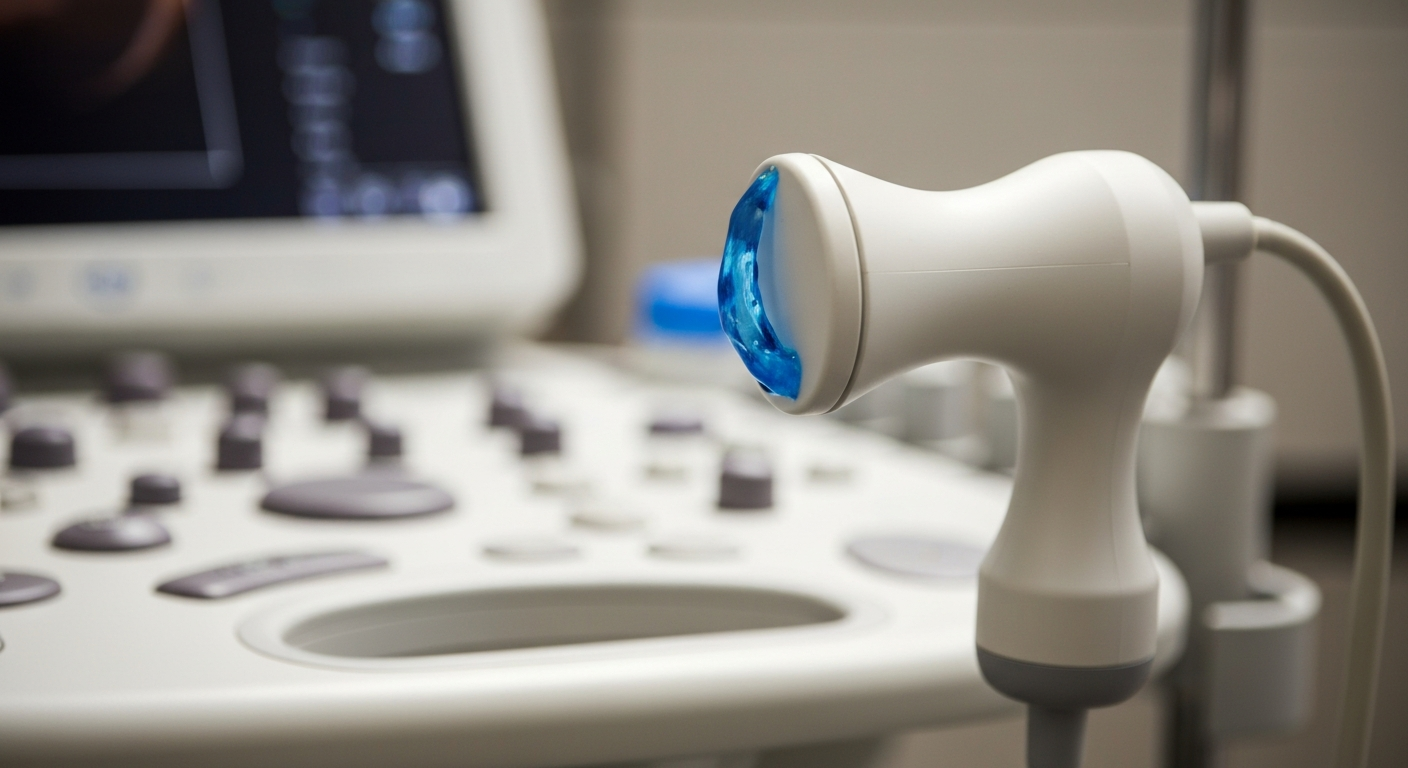
- For Women: Testing typically includes blood tests to check hormone levels (such as AMH, FSH, and thyroid function) and imaging (like a pelvic ultrasound or an HSG) to evaluate the health of the uterus and fallopian tubes.
Available Treatment Options
Once a diagnosis is made, your specialist will create a customized treatment plan. Modern fertility treatments are highly advanced and offer excellent success rates. Options may include:
- Ovulation Induction: Using medications to stimulate the ovaries to produce eggs.
- Intrauterine Insemination (IUI): Placing concentrated, washed sperm directly into the uterus around the time of ovulation.
- In Vitro Fertilization (IVF): Extracting eggs, fertilizing them with sperm in a laboratory, and transferring the resulting embryo(s) into the uterus.
- Surgical Interventions: Minimally invasive surgery to correct structural issues like fibroids, polyps, or blocked tubes.
Conclusion
Struggling to conceive can be overwhelming, but taking the step to seek professional help is empowering. You do not have to navigate this journey alone. The expert fertility team at De Rock Hospital & Diagnostic Center is committed to providing world-class, evidence-based care to help you achieve your dream of parenthood.
Medical Disclaimer
This article is for informational purposes only and is not a substitute for professional medical advice, diagnosis, or treatment. Always seek the advice of your physician or other qualified health provider with any questions you may have regarding a medical condition.